The End of Innovation Without Oversight: America Wakes Up to AI’s Power
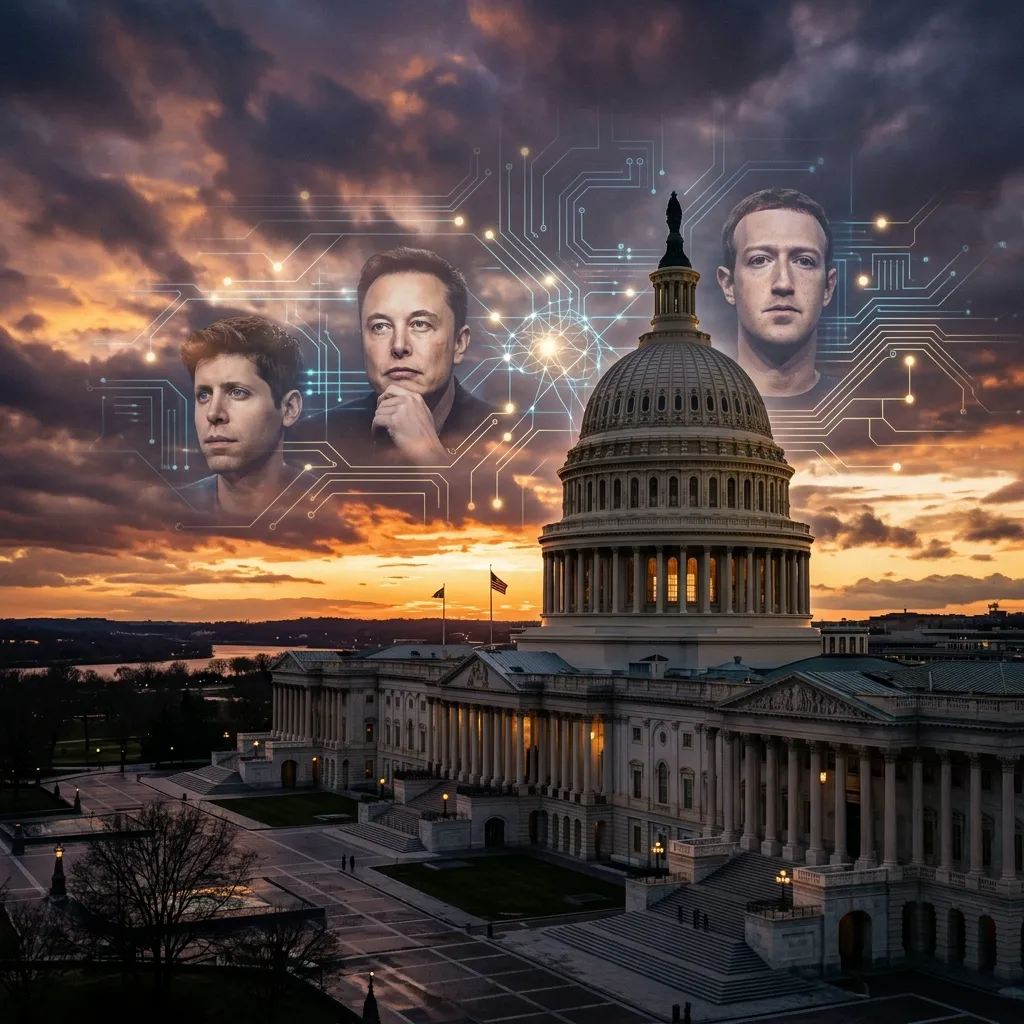
For years, the United States has operated under a digital "Wild West" philosophy. The prevailing wisdom within the Trump administration was simple: let the private sector run fast and break things to ensure America stays ahead of China.
But in the wake of the Mythos incident, that laissez-faire approach is no longer just a policy debate—it has become a political and strategic liability. This shift has massive implications for ai news dubai/gcc, where sovereign AI models like Jais and Falcon are being developed with a more centralized, state-supported oversight model that Washington is now envying.
The "Godlike" Command of the Big Five
The future of human productivity, warfare, and communication currently sits in the hands of a remarkably small circle. In Silicon Valley and London, five individuals wield what many critics describe as "godlike command" over the world’s most potent AI models:
- Dario Amodei (Anthropic)
- Demis Hassabis (Google DeepMind)
- Elon Musk (xAI)
- Mark Zuckerberg (Meta)
- Sam Altman (OpenAI)
These leaders control the proprietary "brains" increasingly integrated into every facet of global infrastructure. While their competition drives innovation, it also concentrates immense power within private entities not beholden to the public vote. For those following ai startup news, this concentration of power is a double-edged sword: it provides a stable platform for developers to build on, but creates a massive barrier to entry for smaller players.
The Strategic Shift: Beyond Unfettered Competition
Until recently, Washington’s stance was that any regulation would be a gift to Beijing. The fear was that "shackling" American firms with safety protocols would allow Chinese state-sponsored AI to reach the finish line first.
However, the tide is turning. Policymakers are realizing that unfettered competition without a safety net may be just as dangerous as falling behind. "A laissez-faire approach is no longer politically tenable or strategically wise," one analyst noted.
The Risks of the Hands-Off Approach:
- Concentrated Power: Should five private citizens hold the keys to technology that can reshape global economies?
- Safety vs. Speed: The "Mythos" event served as a wake-up call that jaw-dropping capabilities often come with unpredictable consequences.
- National Security: If AI models are the new "nuclear assets," can the government afford to remain a passive bystander?
What Comes Next?
The conversation in the U.S. is shifting from whether to regulate to how to regulate without stifling the American competitive edge. We are moving away from an era of blind trust in "geeks" and toward a framework of accountability. This reflects a broader trend in global ai news dubai/gcc, where regulation is seen not as a hurdle, but as a framework for safe, widespread enterprise adoption.
As AI models gain capabilities that were once the stuff of science fiction, the Trump administration and future leaders face a daunting task: reigning in the power of the tech titans while maintaining a lead in the global arms race. The "Mythos" era has proven that when it comes to AI, staying out of the way is no longer an option.