UAE faces up to 700,000 cyberattacks a day amid regional tensions
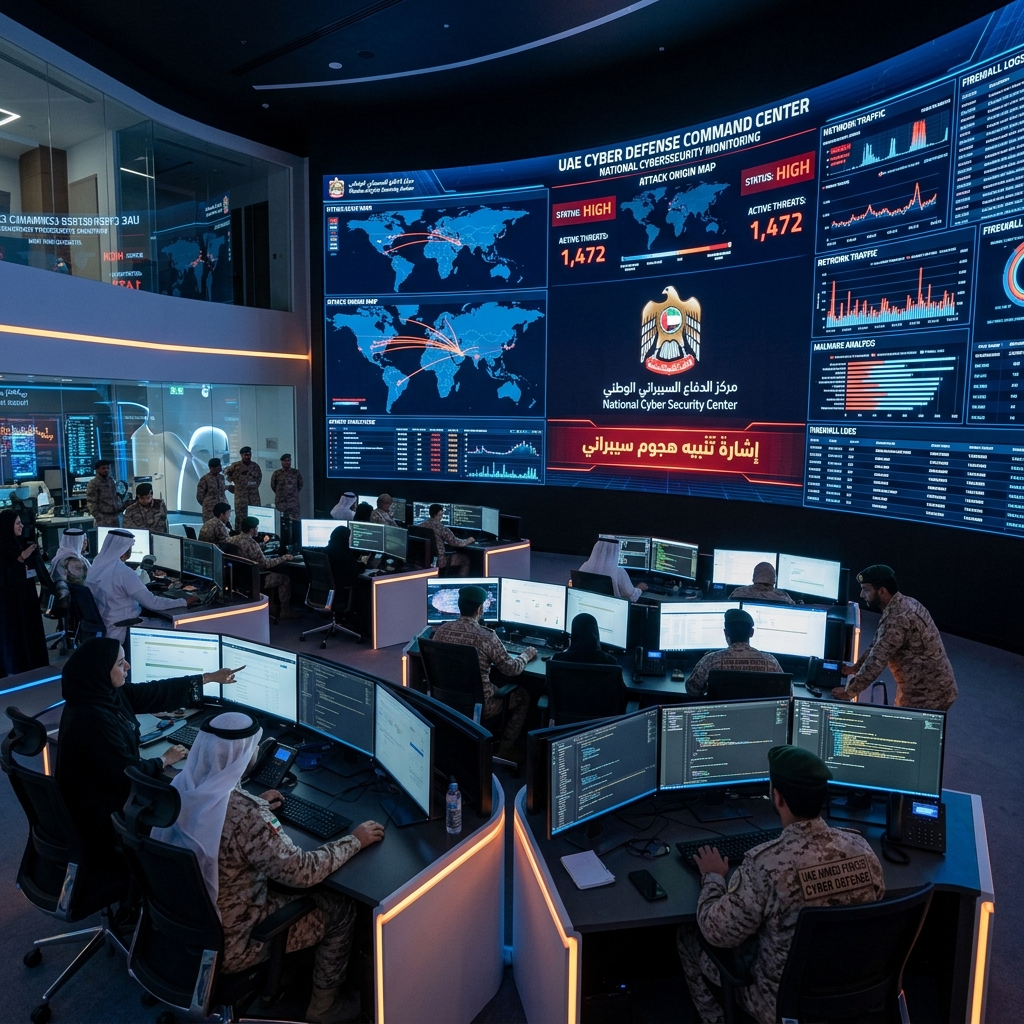
DUBAI – The UAE is facing a significant surge in digital hostility, with the nation’s cyber defenses now intercepting between 500,000 and 700,000 attacks every day. This sharp increase comes amid heightened regional tensions and a new era of "AI-driven" warfare, according to the country’s top cybersecurity official.
Dr. Mohammed Al Kuwaiti, Chairman of the UAE Cyber Security Council, revealed that hostile actors are increasingly leveraging advanced artificial intelligence—including platforms like ChatGPT—to automate and enhance the sophistication of their strikes.
AI: The New Frontier of Cyber Warfare
According to Dr. Al Kuwaiti, AI has evolved from a secondary tool into a core component of modern digital conflict. Hostile entities are utilizing AI for a variety of malicious purposes:
- Reconnaissance: Rapidly identifying vulnerabilities in strategic infrastructure.
- Phishing & Deepfakes: Creating highly convincing fraudulent messages and manipulated media to deceive residents.
- Malware Development: Using AI to write lower-cost, more effective malicious code.
- Disinformation: Spreading rumors and fabricated content to destabilize public sentiment.
A Proactive National Defense
Despite the staggering volume of daily attacks, Dr. Al Kuwaiti emphasized that the UAE’s national defense systems are successfully containing the vast majority of threats before they reach their targets. The country has implemented a "Zero-Trust" security model and activated the National Cyber Security Operations Centre to maintain real-time vigilance.
The UAE’s defensive strategy includes:
- Advanced Threat Intelligence: Systems that analyze global attack patterns to predict local threats.
- Rapid Response Protocols: Real-time security alerts shared across government and critical sectors to ensure service continuity.
- Cyber Simulations: Nationwide exercises to test the readiness of essential infrastructure against large-scale digital crises.
The Human Element: "The First Line of Defense"
While technology provides the shield, Dr. Al Kuwaiti stressed that individual awareness remains the most critical factor in national security. He urged the public to stay calm and skeptical, particularly during periods of regional instability.
“In times of tension, your awareness must be faster than phishing attempts, calmer than rumors, and more precise than fabricated content,” Dr. Al Kuwaiti stated.
Safety Checklist for Residents
To support the national effort, the Cyber Security Council advises all residents to follow these essential digital hygiene practices:
- Trust Official Sources: Avoid sharing unverified content or rumors.
- Enable MFA: Use Multi-Factor Authentication on all sensitive accounts.
- Update Regularly: Ensure all software and operating systems are running the latest security patches.
- Avoid Public Wi-Fi: Do not conduct sensitive transactions on unsecured networks.
- Verify Before Clicking: Treat all unknown links and requests for verification codes as potential phishing attempts.
By combining state-of-the-art AI defenses with a vigilant public, the UAE continues to safeguard its critical infrastructure and maintain its status as a secure global hub for business and technology.