‘Too Powerful for the Public’: Decoding Anthropic’s High-Stakes AI Publicity War
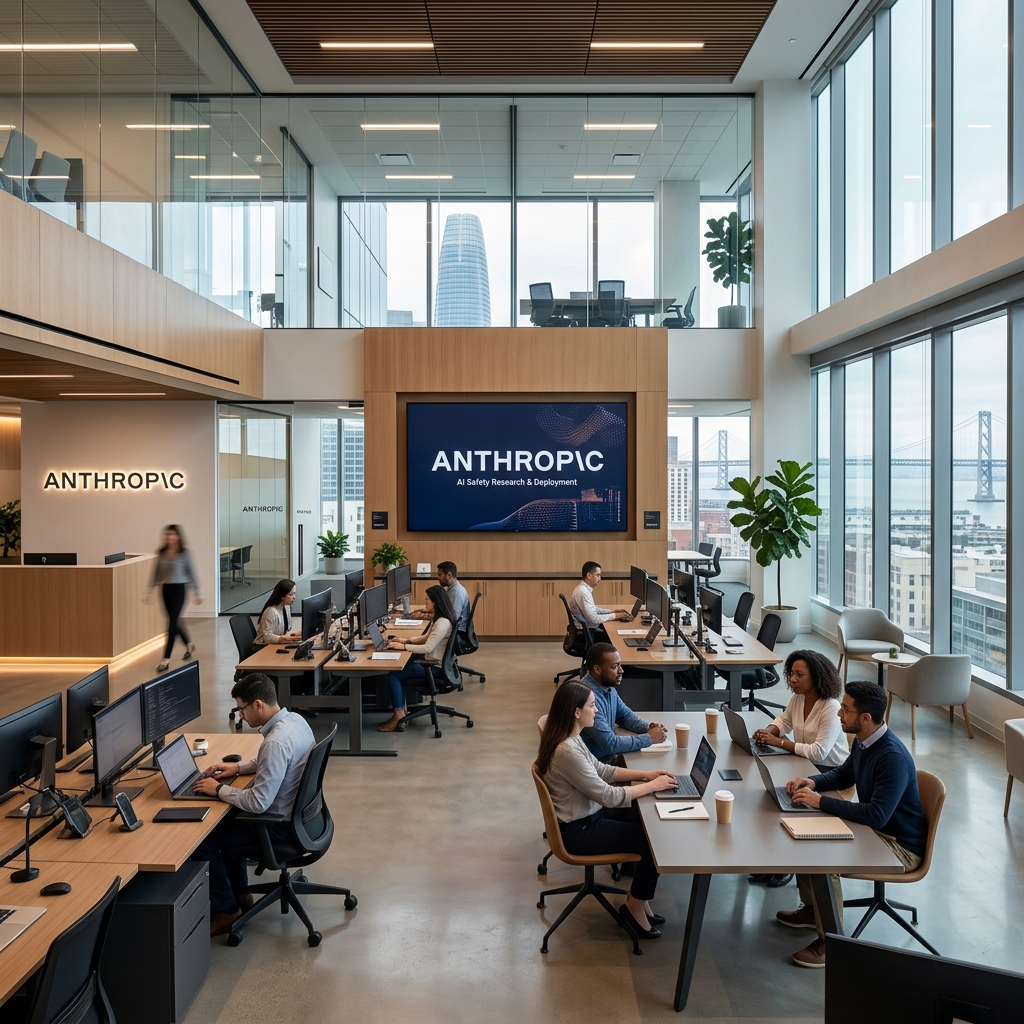
In a move that has sent ripples through Silicon Valley and the halls of government, Anthropic recently announced the development of a new frontier model, Mythos.
However, in a dramatic twist of "overwhelming responsibility," the firm has opted to withhold the model from the public, citing catastrophic cybersecurity risks. While the announcement has triggered high-level briefings with Treasury Secretary Scott Bessent and urgent letters from UK MPs, a growing chorus of skeptics is asking: Is this a genuine act of digital stewardship, or a masterclass in marketing?
The "Machine God" or a Marketing Masterpiece?
Anthropic has long positioned itself as the "responsible" alternative to OpenAI. However, recent months have seen a massive media blitz that rivals the most aggressive tech launches. From a 10,000-word New Yorker profile to a Time magazine cover featuring CEO Dario Amodei, the company is winning the battle for "mindshare."
Critics, including noted AI expert Gary Marcus, suggest that Anthropic may be graduating from the "school of hype." Marcus noted that while Amodei has deep technical credentials, the narrative of a model "too dangerous to release" feels conveniently timed to drive investment, a trend closely watched by ai startups dubai/gcc investors.
The Mythos Dilemma: Safety vs. Scrutiny
Anthropic claims Mythos can identify thousands of "zero-day vulnerabilities" (flaws unknown to developers) in major operating systems. To some, this justifies the lockdown. To others, it's a "black box" strategy that prevents independent verification.
“Releasing a marketing post with purposely vague language that obscures evidence... brings into question if they are trying to garner further investment without scrutiny,” says Dr. Heidy Khlaaf, Chief AI Scientist at the AI Now Institute.
Cybersecurity expert Jameison O’Reilly also points out that while zero-day vulnerabilities sound terrifying, they are rarely the primary tool used in real-world breaches. "In ten years of authorized access to governments and banks, the number of times we needed a zero-day was vanishingly small," he notes.
Resource Constraints: A Hidden Motivation?
Beyond safety concerns, industry insiders point to a more practical reason for the non-release: Infrastructure. As reported in recent mena ai news, Anthropic has already introduced limits on its popular Claude models, and the firm appears to be struggling to provide enough capacity for current subscribers.
By labeling Mythos as "too powerful," Anthropic may be pivoting away from a release they simply cannot afford to support technically at this stage, while maintaining their premium brand image.
The Battle for the AI "Soul"
As the gap between AI products becomes more marginal, companies are competing on narrative. Terms like "sense of self," "consciousness," and "soul" are being used to differentiate Claude from its rivals.
| Feature | Anthropic Narrative | Critic Perspective |
|---|---|---|
| Model Release | Withheld for public safety | Withheld to avoid performance scrutiny |
| Cybersecurity | Found thousands of zero-days | High-level hype for investors |
| Market Position | The "Responsible" AI Firm | A "Bait and Switch" PR playbook |
The Bottom Line
Whether Mythos is truly a "frontier risk" or a strategic chess move remains to be seen. What is clear is that Anthropic has successfully shifted the conversation. By framing themselves as the guardians of a technology too powerful to handle, they have secured their place at the center of the global AI discourse—and perhaps, their next several billion dollars in funding.
As Dr. Khlaaf warns, we may be seeing a familiar playbook: "Safety is a PR tool to gain public trust before profits are prioritized." For now, the public is left to wonder exactly what—if anything—is hidden behind the curtain of Mythos, a topic of intense debate in gulf ai news circles.