Samsung's $26 Billion Labor Deal: What the AI Chip Bonus Tells Us About the Real Cost of the AI Boom
Samsung Electronics has agreed to distribute approximately 40 trillion won, equivalent to $26.6 billion, to its 78,000 semiconductor employees as a bonus for 2026, averting a strike and locking in a ten-year profit-sharing framework. The deal redefines what AI-era labour compensation looks like and has direct implications for the data centre markets of the Gulf and broader MENA region.
Key Takeaways
- ▸Samsung Electronics has agreed to distribute approximately $26.6 billion to its 78,000 semiconductor employees as a 2026 bonus, averting a large-scale strike that threatened global HBM chip supply.
- ▸The average bonus per employee across the semiconductor division is approximately $340,000, more than double the average total compensation recorded in 2025.
- ▸The bonus structure allocates 10.5% of operating profit in treasury shares and 1.5% in cash, with vesting spread over three years to retain talent.
- ▸A 40/60 split in the bonus pool has created internal conflict, with memory division workers receiving far larger payouts than foundry and consumer electronics staff.
- ▸Gulf and MENA data centres depend directly on Samsung and SK Hynix HBM chips, making South Korean semiconductor labour stability a material risk factor for regional AI infrastructure projects.
- ▸Samsung's 2026 operating profit is projected to grow nearly sevenfold to approximately 333 trillion won, driven by structural memory shortages and rising average selling prices for AI-grade chips.
In late May 2026, Samsung Electronics finalised a tentative labour agreement with its primary semiconductor union, averting an imminent strike that threatened to paralyse a significant portion of the global technology supply chain. Facing structural competition for specialised talent and escalating geopolitical pressure to secure High-Bandwidth Memory production, the South Korean conglomerate introduced an unprecedented ten-year incentive programme.
The deal establishes a 40 trillion won ($26.6 billion) bonus pool for the 2026 fiscal year alone. By allocating 10.5% of the semiconductor division's operating profit to equity-based compensation and an additional 1.5% to cash incentives, the framework redefines the mechanics of technology labour compensation, shifting engineers from wage-earning talent to direct equity participants in the global artificial intelligence boom.
The Threat of Supply Chain Paralysis
The context surrounding the negotiations underscores the high stakes of modern semiconductor manufacturing. The National Samsung Electronics Union had positioned itself to execute a large-scale strike involving roughly 45,000 workers. Industry analysts calculated that a comprehensive work stoppage could cost the South Korean economy up to 1 trillion won ($658 million) daily, with systemic losses climbing further if in-progress semiconductor wafers were compromised mid-production.
The stakes extended well beyond South Korea. A prolonged strike would have triggered an immediate shortage of High-Bandwidth Memory chips, disrupting Nvidia, AMD, and the hyperscalers that depend on Samsung's memory architecture for next-generation computing platforms. Samsung and SK Hynix, alongside Taiwan Semiconductor Manufacturing Co., have become indispensable pillars of the global AI buildout, producing the top-end chips and memory that power data centres from California to the Middle East. Any disruption to production carries geopolitical and economic consequences far beyond Korea.
The resolution came through a structured multi-year equity deal that addressed both the immediate strike risk and the longer-term challenge of retaining the specialised talent that Samsung cannot afford to lose.
Financial Mechanics of the $340,000 Average Payout
The financial package is tied directly to Samsung's soaring 2026 operating projections. Driven by structural shortages in the memory market and rising average selling prices, analysts project Samsung's annual operating profit to multiply nearly sevenfold, climbing toward an all-time high of 333 trillion won.
Based on these corporate benchmarks, Bloomberg and regional analysts calculated the baseline metrics of the employee windfall:
- Total Bonus Pool Allocation: 40 trillion won, approximately $26.6 billion.
- Blended Division Average: approximately 513 million won, equivalent to $340,000, per employee across the 78,000-person Device Solutions division.
- Historical Context: this represents a dramatic increase from the average total compensation of 158 million won recorded in the company's March 2025 regulatory filings.
The Equity Retention Structure
To safeguard capital reserves and ensure institutional stability, Samsung structured the incentive as a long-term retention tool rather than a liquid cash disbursement, organised across three phases.
- Initial Stock and Cash Allocation: Early 2027.
The total pool is disbursed as 10.5% of operating profit in Samsung treasury shares alongside 1.5% in standard cash.
- Partial Tranche Liquidation: Immediately upon distribution.
Semiconductor employees are permitted to liquidate exactly one-third of their assigned stock awards to realise cash gains.
- Phased Tranche Vesting: Years 2 and 3 Post-Allocation.
The remaining two-thirds of the equity allocation are held in restricted stock units vesting in equal tranches over the subsequent 24 months to incentivise long-term labour retention.
Structural Fractures: The 40/60 Split and Non-Chip Backlash
While the aggregate figures suggest broad wealth distribution, internal allocation metrics have created significant friction across Samsung's corporate divisions. The tentative agreement applies a rigid 40/60 distribution formula to the total bonus pool.
Forty percent of the pool is shared equally across the entire Device Solutions division, guaranteeing a baseline payout to all units including those with weaker performance. The remaining sixty percent is allocated based on unit performance metrics, heavily skewing capital toward the ultra-profitable memory business. Internal estimates indicated that memory-line staff could receive performance-related bonuses exceeding 600 million won for top performers. Conversely, logic-chip employees working on the foundry side, which continues to face margin pressure and competition from TSMC, were signalled to expect performance adjustments as low as 50% of base salary.
The disparity triggered legal resistance from Samsung's non-semiconductor staff. On 26 May 2026, the company's smallest union, representing the Digital Experience division where workers are projected to receive bonuses of just 6 million won, filed a formal court injunction to halt the ratification vote. The legal filing alleges that the largest union disproportionately favoured the semiconductor division, structurally marginalising the consumer electronics and mobile workforces.
Macroeconomic Impact on Talent and the Korean Labour Market
The scale of the compensation package has altered macro-employment dynamics across East Asia. Historically, landing an engineering role at Samsung or SK Hynix has been the ultimate prize for South Korean students navigating highly competitive academic pipelines. The 2026 payouts offer a clear economic vindication of that system, shifting wealth directly to the technicians and engineers executing physical production.
However, macroeconomic researchers express caution regarding the long-term structural implications.
| Risk Area | Market Characteristic | Systemic Assessment |
|---|---|---|
| Talent Acquisition | Hyper-competitive poaching between Samsung and SK Hynix | High risk of wage-price spirals for specialised memory and lithography engineers, draining domestic startups of talent |
| Labour Downcycle Elasticity | Structural rigidity in South Korean employment laws | Moderate risk: compensation acts as a free option for labour, with workers enjoying massive upside during AI peaks but resisting downside adjustments during cyclical memory corrections |
| Corporate Treasury Management | Massive reliance on buying back and distributing treasury shares | Low to moderate risk: ongoing open-market stock purchases estimated up to 37 trillion won create stable structural demand for Samsung equity over a ten-year horizon |
Bumki Son, an economist at Barclays, noted that while competitive compensation packages are well warranted given the talent competition between Samsung and SK Hynix, the rigidity of the Korean labour market risks creating a compensation structure that functions as a free option for workers, where they are protected on the downside and fully rewarded on the upcycle.
Conclusion: The Strategic Price of Labour Peace
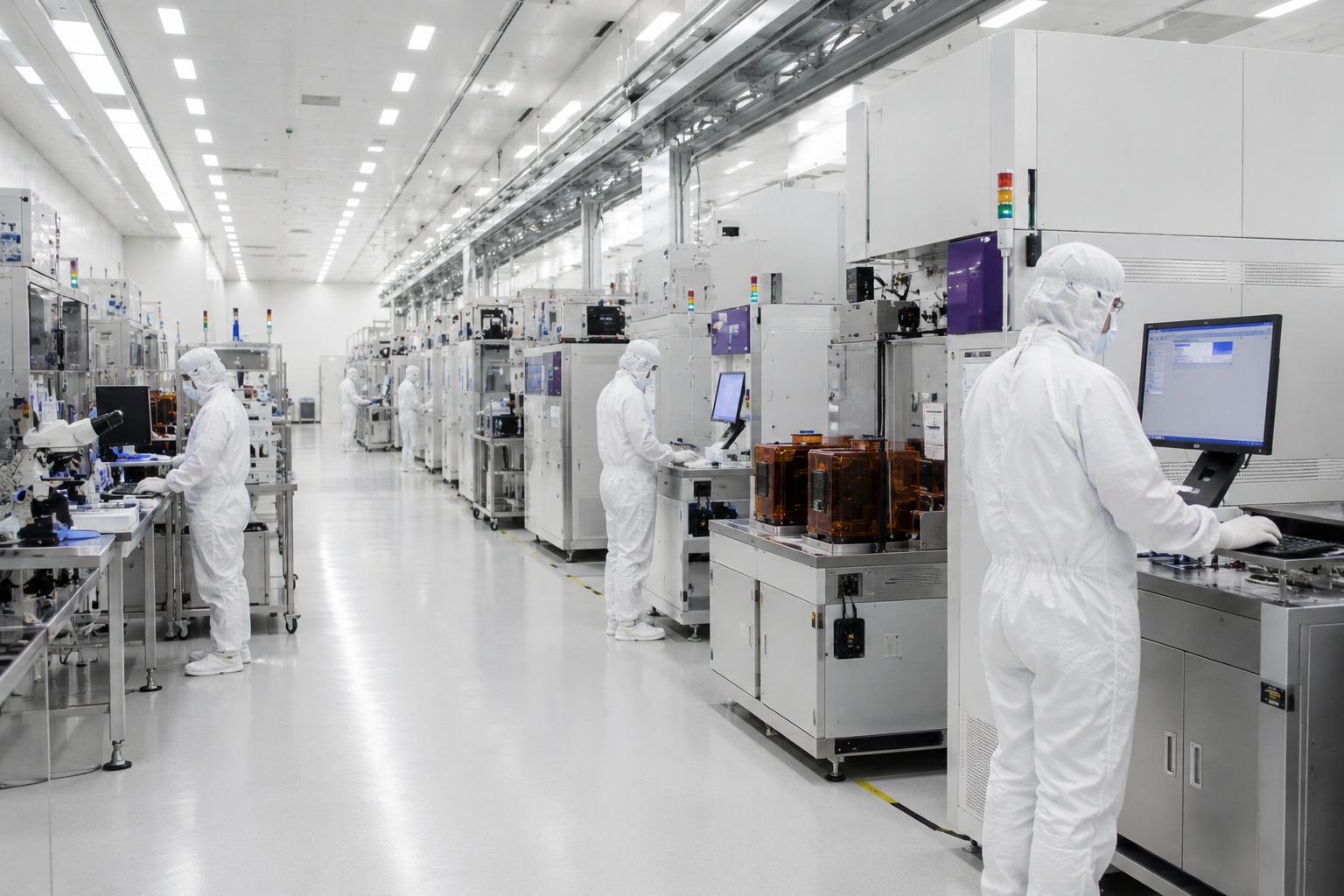
Samsung's multi-billion dollar settlement demonstrates that in the AI era, human capital is as critical a vulnerability as raw silicon supply or energy capacity. As technology companies spend billions on advanced accelerators and data infrastructure, the specialised engineers who calibrate the clean rooms and operate the lithography lines hold unprecedented structural leverage.
By removing the historical 50% salary bonus cap and linking compensation directly to operational upside for the next decade, Samsung has secured short-term industrial stability. However, the corporate fracture between the highly profitable AI memory divisions and the rest of the consumer hardware ecosystem introduces a complex organisational challenge that will outlast the 2026 bonus cycle by years.
What This Means for the Gulf AI Buildout
The Samsung labour deal has direct relevance for the Gulf and broader MENA region's AI ambitions. Saudi Arabia and the UAE are among the fastest-growing markets for AI data centre investment globally, with hyperscale facilities under development across Riyadh, Abu Dhabi, and Dubai that depend directly on the HBM chips and memory architecture that Samsung and SK Hynix produce.
Any disruption to that supply chain, whether through labour action, geopolitical tension, or production capacity constraints, translates directly into delayed data centre commissioning timelines, higher hardware procurement costs, and slower AI deployment schedules for the Gulf's most ambitious digital infrastructure projects. The fact that a single labour dispute in South Korea could have cost a trillion won per day in systemic losses illustrates exactly how concentrated and fragile the foundational layer of the global AI buildout remains. For Gulf governments and enterprises planning long-term AI infrastructure investment, that concentration risk is a strategic consideration that belongs in every procurement and supply chain resilience assessment.
Related Articles
DEWA Showcases AI-Powered Asset Management Strengthening Dubai's Power Network
DEWA CEO Saeed Mohammed Al Tayer toured the authority's Al Ruwayyah complex to review a cluster of AI-driven initiatives, including an Asset Health Centre that predicts equipment failures before they happen, as Dubai's power network shifts from reactive to predictive maintenance.
Sep 4, 2026
IntelligenceJordan's Public Sector AI Programme: What 92% Completion Rate and Five Active AI Agent Use Cases Tell Us About MENA Government Technology
Jordan completed 78 of 85 public sector modernisation axes in H1 2026. Five AI agent use cases are now in active development across five government entities. 23 data teams assessed for maturity. This is what structured government AI adoption looks like in MENA.
Aug 17, 2026
IntelligenceAI Agents Move Into UAE Retail as Shadow AI and Governance Gaps Raise Concern
UAE retailers are moving from AI-driven insight to fully autonomous AI agents for pricing and inventory, but experts warn that fragmented systems and unmonitored "shadow AI" could expose businesses to serious governance risk.
Jul 28, 2026
IntelligenceBirchford Technologies Launches First MENA AI Translator to Fix Cross-Border Payment Compliance Gap
Birchford Technologies has launched ProLink AI Translator, the first MENA platform combining SWIFT's AI model with proprietary reference data to convert unstructured postal addresses into ISO 20022 compliant payment data ahead of a November 2026 deadline.
Jul 27, 2026
IntelligenceAnthropic Launches Claude Opus 5, Delivering Near-Frontier Performance at Half the Price
Anthropic has launched Claude Opus 5, a new frontier model delivering performance close to its top-tier Fable 5 model at half the cost, alongside what the company describes as its most aligned and safest model to date.
Jul 27, 2026