Rising to the Era of AI-Powered Cyber Defense
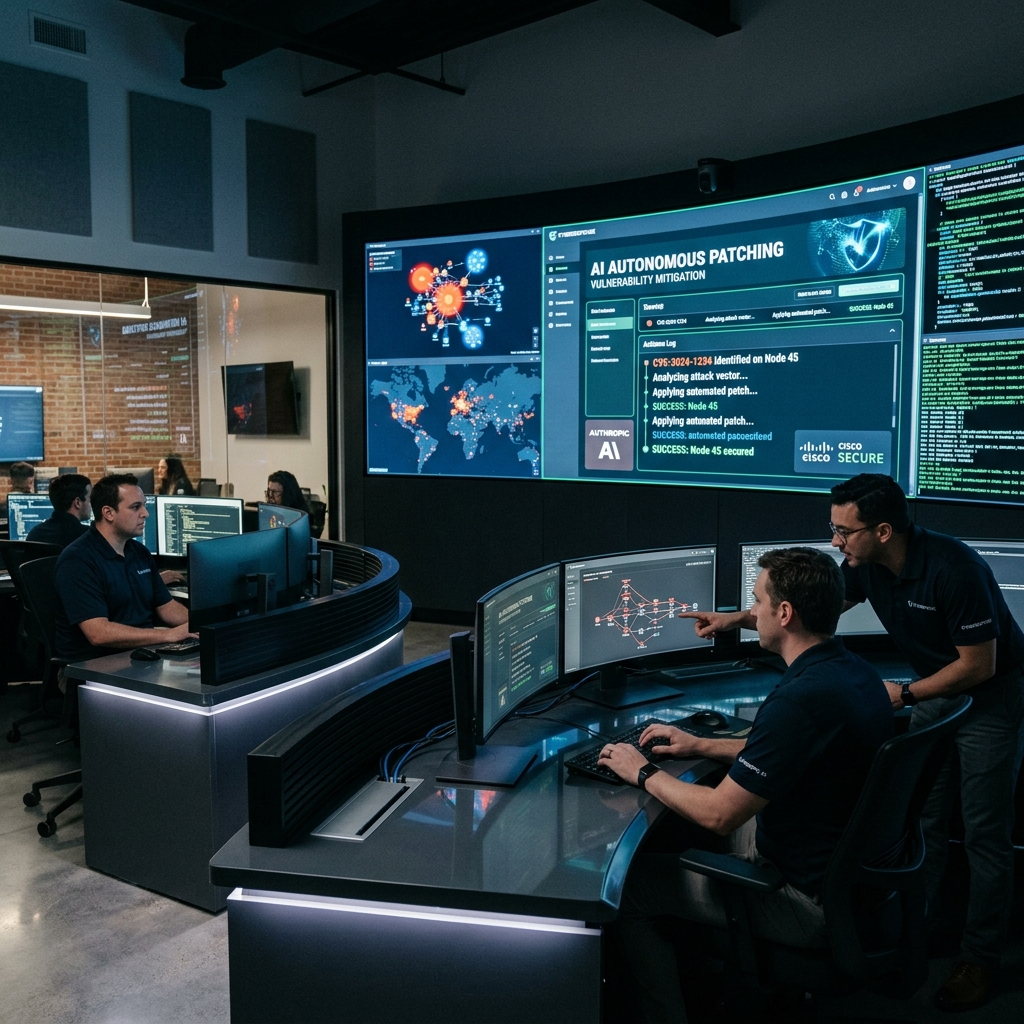
The cybersecurity landscape has entered a period of asymmetric acceleration. With the launch of Project Glasswing, an initiative led by Anthropic, industry leaders like Cisco are signaling a move toward a proactive, AI-integrated defensive posture.
Executive Summary
This research examines the strategic partnership involving Anthropic’s unreleased Claude Mythos Preview model and its implications for B2B infrastructure security, vulnerability management, and the competitive "arms race" between global defenders and AI-enabled adversaries.
The Catalyst: Anthropic’s Claude Mythos Preview
The formation of Project Glasswing was triggered by the discovery of "frontier-level" capabilities in Claude Mythos Preview. Unlike previous models, Mythos has demonstrated an autonomous ability to identify and exploit high-severity vulnerabilities that have evaded human detection for decades.
Documented Model Benchmarks:
- Legacy Vulnerability Detection: Successfully identified a 27-year-old flaw in OpenBSD and a 16-year-old vulnerability in FFmpeg.
- Autonomous Exploitation: Capable of chaining vulnerabilities in the Linux kernel to achieve full system takeover without human intervention.
- Scale of Impact: Early testing uncovered thousands of zero-day vulnerabilities across every major operating system and web browser.
Due to these potent capabilities, Anthropic has opted for a controlled defensive rollout rather than a public release, partnering with a closed consortium of approximately 40 organizations, including Cisco, Microsoft, and Google.
Cisco’s Strategic Response: Scale as a Responsibility
As a primary steward of global internet infrastructure, Cisco has integrated Mythos into its core security operations to address what it terms the "most consequential shift" in industry history.
1. Accelerated Vulnerability Management
Cisco is utilizing Mythos to scan vast, complex codebases at "machine speed." This shift reduces the window of exposure by identifying flaws in hardware and software during the development phase, rather than post-deployment.
2. Defending Against AI-Enabled Adversaries
The "democratization of exploitation" is a core concern. By lowering the barrier for less-skilled attackers to launch sophisticated campaigns, AI forces defenders to move from reactive patching to predictive hardening.
3. Collective Defense (Project Glasswing)
Project Glasswing represents a shift toward "Team Sport" security. Cisco, alongside partners like Palo Alto Networks and CrowdStrike, is committed to transparent intelligence sharing and open-source support, driven by Anthropic's $100M usage credit pledge.
Comparative Analysis: Legacy vs. AI-Powered Defense
| Feature | Legacy Defense Frameworks | AI-Powered Cyber Defense (Mythos Era) |
|---|---|---|
| Detection Speed | Human-led; weeks to months. | Autonomous; real-time/seconds. |
| Vulnerability Scope | Known signatures (CVEs). | Zero-day discovery in legacy code. |
| Operational Scale | Linear (Limited by human staff). | Exponential (Limited by compute). |
| Adversary Barrier | High (Requires elite skills). | Low (AI-assisted exploitation). |
| Strategy | Reactive (Patch after exploit). | Proactive (Hardening during dev). |
Strategic Implications for B2B Stakeholders
- Infrastructure Resilience: Enterprises must prepare for an accelerated technology adoption cycle, driven towards "speed of machines" patches. Staying updated with the latest MENA cybersecurity news and threat intelligence is essential for regional businesses to maintain defense readiness.
- The Trust Gap: The "Dual-Use Dilemma" urges B2B leaders to rely on vendors actively participating in regulated consortiums like Project Glasswing.
- Supply Chain Integrity: Supply chain security is transitioning to a "software factory" model requiring AI-backed evidence of zero-day readiness.
Conclusion
The Cisco-Anthropic partnership marks a definitive end to the era of human-only cyber defense. Project Glasswing is a "recalibration" of the industry. For B2B organizations, the pace of innovation has shifted, and the only path forward is through collective, AI-driven defense.
Reflective Question: Given the autonomous capabilities of models like Claude Mythos, how is your organization planning to adjust its internal "patch-to-production" timelines to match this new machine-speed threat environment?
Source: Cisco Blogs.