Techie Tonic: Why Modern Backup Architecture is the New Strategic Frontier
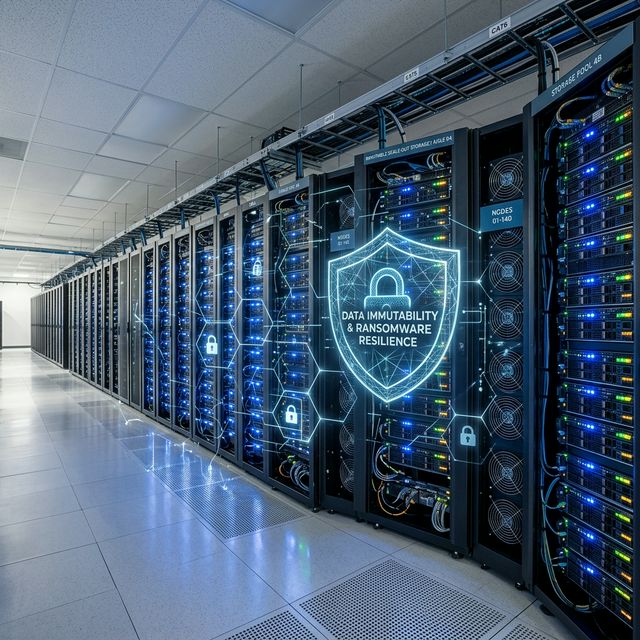
In an era defined by geopolitical instability and a relentless surge in cyber threats, data protection has officially moved from the server room to the boardroom. No longer just a "technical backup" function, it has become a cornerstone of corporate strategy.
Three leading cybersecurity executives—operating across high-risk, large-scale enterprises—recently shared their insights on how modern storage architectures are helping organizations slash costs, mitigate risk, and maintain peak performance under fire. This is especially critical as regions like the Middle East prioritize AI-driven recovery and identity security.
1. Scalability: Eliminating the "Downtime" Dilemma
Jeevan Badigari, Associate Director of Cybersecurity at ARADA, highlights that traditional storage often buckles under rapid data growth, particularly during crises when digital activity spikes.
The solution lies in scale-out architectures. Unlike legacy systems that require massive overhauls to grow, modern systems allow for incremental node additions.
- Modular Growth: "We can now add nodes incrementally, increasing capacity and performance without downtime," Badigari notes.
- Separation of Duties: By using specific nodes for data processing and others for storage, organizations can optimize workloads.
2. Financial Sustainability: The Power of Data Reduction
For Mukesh Kumar, Head of Information Security at Retail Group, uncontrolled data growth is a silent budget killer. Kumar points to intelligent data reduction as a game changer:
- Deduplication & Compression: Stripping away duplicate data significantly lowers physical infrastructure costs.
- Speed as a Side Effect: Reducing the data footprint accelerates backup speeds and reduces strain on the network.
3. Resilience: Beyond Traditional Protection
Satyanarayana Kojapuram, Information Security & Governance Manager at The Sanad Group, argues that "traditional methods are no longer sufficient" against modern ransomware. He advocates for:
- Self-Healing Data: Continuous integrity checks and automated repair mechanisms.
- The "Air-Gap" Defense: Isolating backup environments through zero-trust architectures.
- Immutability: Ensuring data is unchangeable guaranteed that clean, recoverable data exists even if the primary environment is breached.
The Executive Verdict: A Unified Vision
While their specific focuses vary—from scalability to cost to security—all three leaders reach the same conclusion: Modern backup storage is no longer optional.
| Priority | Modern Solution | Business Impact |
|---|---|---|
| Growth | Scale-out Nodes | Zero-downtime expansion |
| Budget | Deduplication | Lower Capex/Opex |
| Security | Immutability & Air-gapping | Ransomware resilience |