The End of the X-Ray Room? US Hospital CEOs Signal Shift Toward AI-Only Radiology
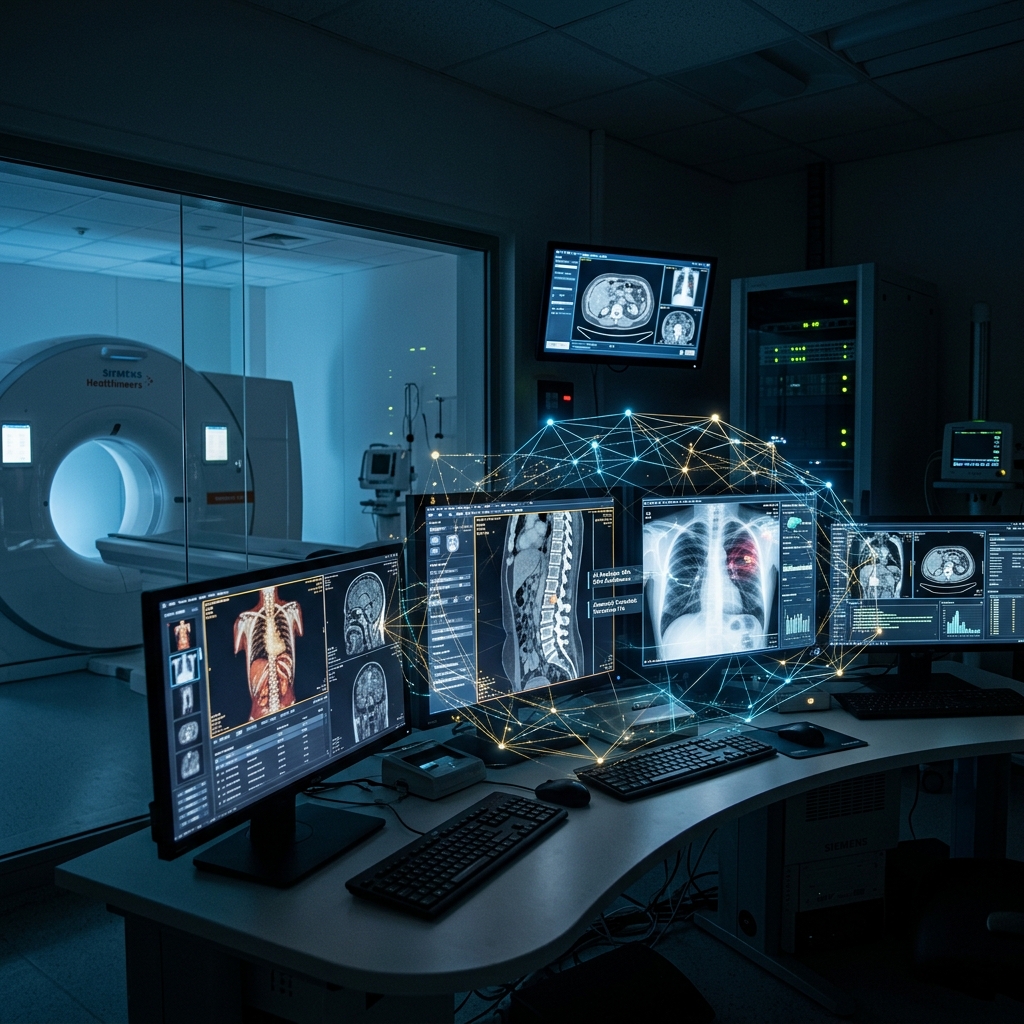
In a move that has sent shockwaves through the medical community, the leaders of some of the nation’s largest healthcare systems are signaling a readiness to bypass human radiologists in favor of artificial intelligence.
Mitchell H. Katz, MD, the President and CEO of NYC Health + Hospitals—the largest public hospital system in the United States—recently declared that the technology is already capable of handling a "great deal" of radiological work. The primary roadblock, he argues, is no longer the capability of the software, but the pace of government regulation.
The Efficiency Argument: "First Reads" by AI
Katz outlined a future where AI handles the initial interpretation of routine scans, such as mammograms and X-rays. Under this proposed model:
- AI as the Frontline: Algorithms would perform the "first read" of every image.
- Negative Results: If the AI flags an image as normal, no human intervention would be required.
- Human Intervention: Radiologists would only step in as a "second opinion" for abnormal screenings flagged by the computer.
The motivation is largely financial. As the demand for diagnostic imaging skyrockets, the cost of employing specialized radiologists has become a significant burden for public "safety-net" hospitals operating on razor-thin margins.
Superior Accuracy?
The push is supported by David Lubarsky, MD, CEO of the Westchester Medical Center Health Network. He claims his system is already seeing AI outperform human clinicians in specific areas.
"For women who aren’t considered high risk, if the test comes back negative, it’s wrong only about 3 times out of 10,000," Lubarsky noted, suggesting that the tech is "actually better than human beings" at identifying healthy tissue.
The Backlash: "Confidently Uninformed"
However, the medical community isn't quieting down without a fight. Radiologists argue that administrators are vastly oversimplifying a complex clinical role. Critics argue that radiology involves more than just spotting a shadow on a lung; it requires nuanced clinical context that AI currently lacks. Some doctors have characterized the movement as "confidently uninformed" and "easily duped" by AI companies.
The MENA Verdict
This movement toward AI-led diagnostics has deep resonance in the GCC, particularly for the UAE's Ministry of Health and Prevention (MOHAP) and Saudi Arabia’s SEHA virtual hospital initiatives. As the region expands its digital health infrastructure to cover vast geographical areas, AI-only reads present a compelling solution to the chronic shortage of specialized radiologists in remote sectors.
For MENA hospital administrators, the "regulatory challenge" Katz mentioned is the key hurdle. The UAE is already positioning itself as a sandbox for such technologies, but the threshold for "AI-only" approval must be exceptionally high to maintain patient trust. The future of MENA healthcare will likely see a phased approach: AI as a primary filter to reduce the crushing workload on human staff, eventually evolving into autonomous diagnostic nodes as regional regulations catch up to the technology's capabilities.