How China fell for a lobster: What an AI assistant tells us about Beijing's ambition
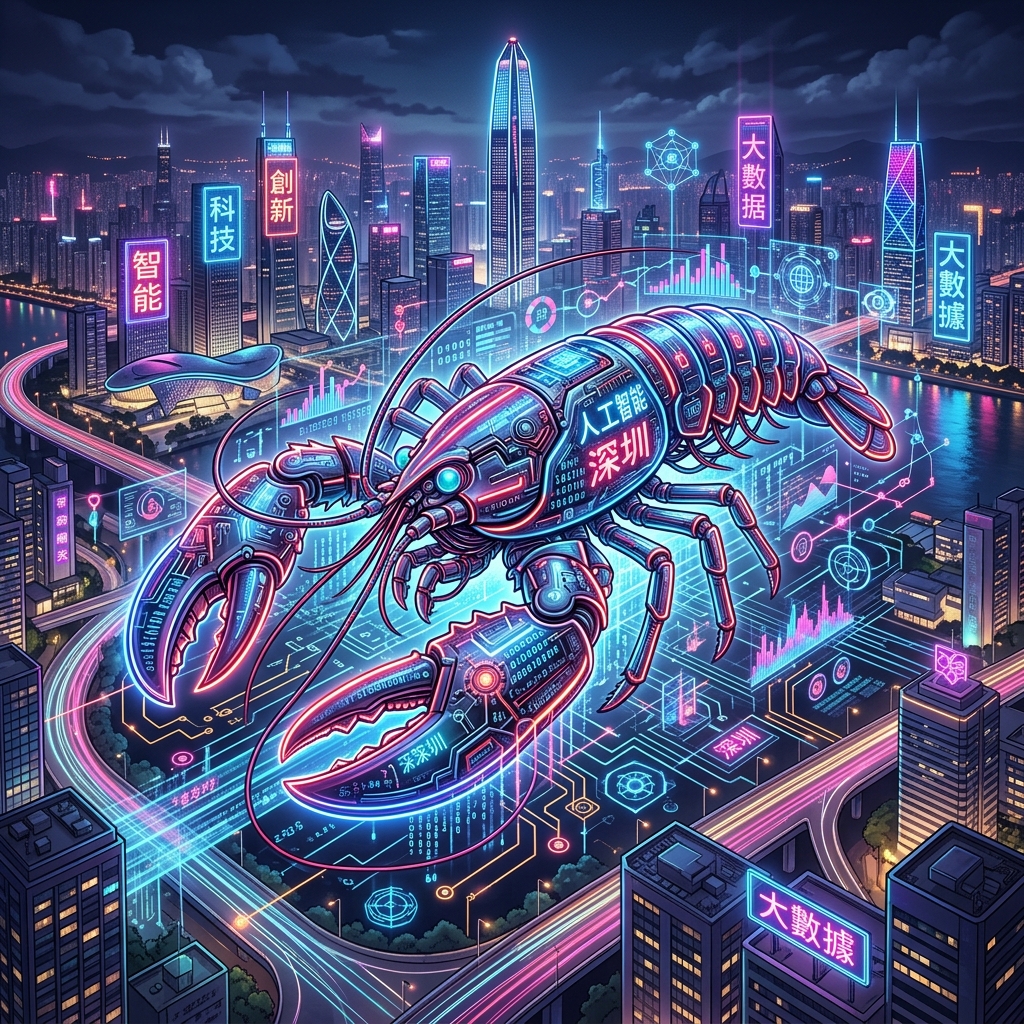
The "Lobster" Fever: How OpenClaw is Redefining China's AI Ambition
In the bustling tech hubs of Shenzhen and Beijing, a new obsession has taken hold. It isn't a luxury brand or a viral dance craze, but a "lobster." To the uninitiated, the nickname sounds like a culinary trend, but to millions of Chinese citizens, it represents OpenClaw—the AI assistant that has become the face of a national digital revolution.
The frenzy began when OpenClaw, an open-source framework developed by Austrian engineer Peter Steinberger, became the ultimate workaround for a country locked out of Western models like ChatGPT and Claude. Because the code is open-source, Chinese developers have been able to "domesticate" the tech, tailoring it to work with local infrastructure.
From "One-Person Companies" to Dream Conversations
For entrepreneurs like Wang, an IT engineer running a side business on TikTok (which operates under different restrictions within China), the "lobster" is more than a tool—it is a superpower.
- The Manual Era: Uploading products to digital storefronts—writing descriptions, setting prices, and messaging influencers—historically capped Wang's output at 12 listings per day.
- The AI Era: With a customized OpenClaw agent, Wang claims he can process 200 listings in just two minutes.
The impact is so profound that prominent figures have joined the chorus of "lobster raisers." Comedian Li Dan confessed to talking to the AI in his dreams, while Cheetah Mobile CEO Fu Sheng has popularized the phrase "raising a lobster" to describe the process of training and nurturing these personalized digital assistants.
The Government's "AI Plus" Mandate
China's embrace of OpenClaw isn't just a grassroots movement; it's a top-down strategic directive. Under the national "AI Plus" strategy, Beijing is pushing for the integration of artificial intelligence across every sector of the economy.
The incentives are massive. Local governments are currently competing to become AI hubs:
- Wuxi: Offered up to 5 million yuan ($726,000) for manufacturing-related AI applications.
- National Subsidies: Some regions offer up to 10 million yuan specifically targeting "one-person companies."
These incentives are a calculated move to address a cooling economy. With a youth unemployment rate hovering above 16%, the government is betting that AI can empower young people to become self-sufficient entrepreneurs rather than traditional job seekers.
"Disorder with Control": The Risks and Rewards
Despite the enthusiasm, the path hasn't been entirely smooth. The Chinese tech scene is currently locked in what media calls the "Hundred Model War," where over 100 AI models are fighting for dominance.
Furthermore, the rapid adoption has triggered a classic Chinese regulatory cycle. After the initial hype, cybersecurity authorities issued warnings about the risks of improperly installed OpenClaw tools. Some government agencies have even banned the software for fear of data leaks.
Rui Ma, founder of the Tech Buzz China newsletter, describes this phenomenon as "disorder with control." The government encourages the chaos of innovation to see what works, then steps in to regulate once the stakes get too high.
The New Starting Line
As 2026 approaches, the pressure to adapt is palpable. A recent commentary in the People's Daily warned that those who don't "raise lobsters" are already "losing at the starting line."
For programmers like Jason, the shift is "genuinely terrifying." His team now only hires candidates with AI expertise, and he observes a trend of "people leaving, with very few new hires coming in."
Yet, for many like Wang, the fear of being replaced is balanced by the thrill of new opportunity. If the "lobster" eventually takes over his current business, Wang is undeterred: "I'll just use AI to find another one." In the race for AI supremacy, China has decided that the only thing scarier than the technology itself is the prospect of being left behind.