ByteDance Launches Seed 2.0 & Pledges Safeguards After Hollywood Backlash
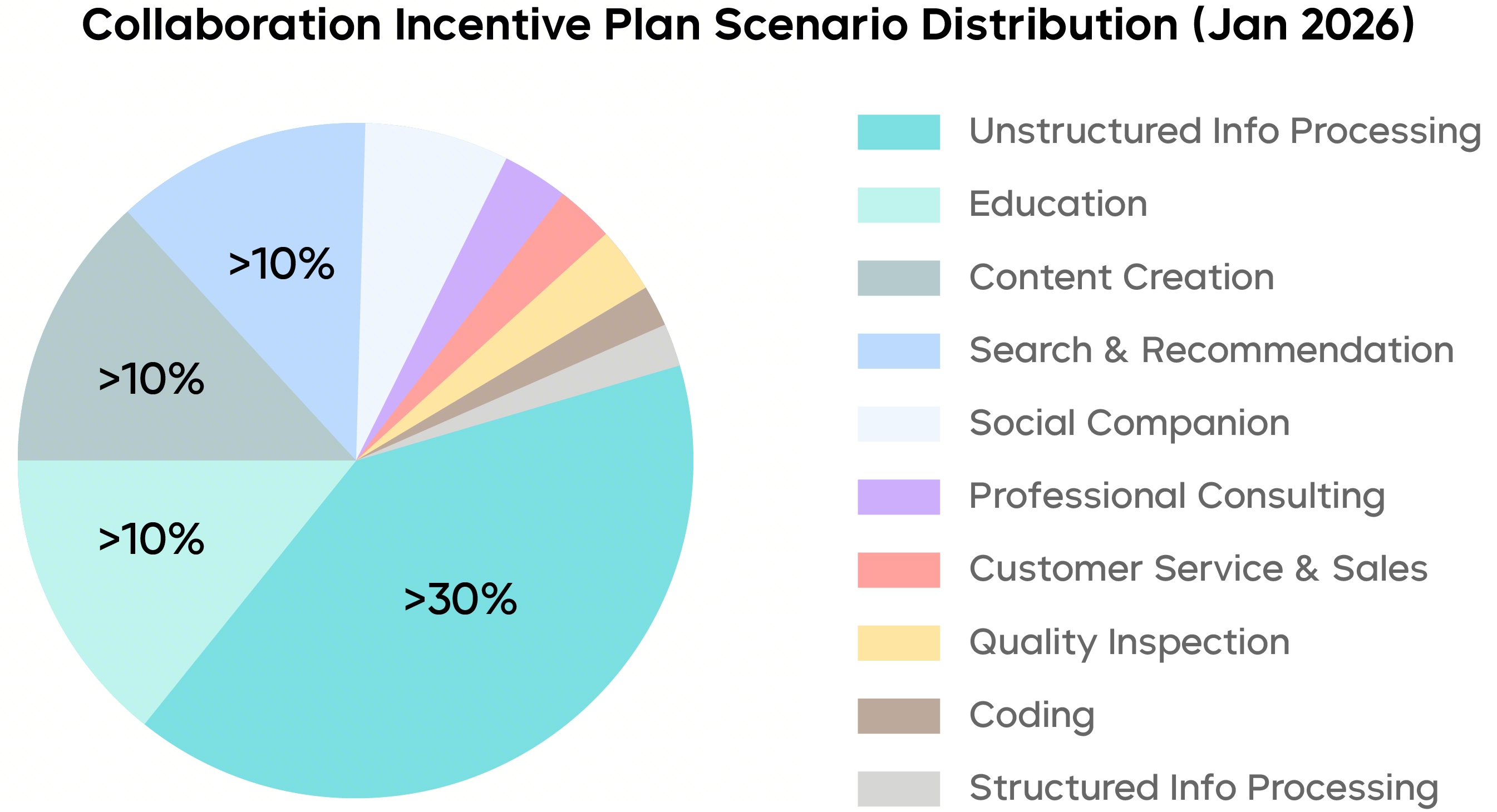
ByteDance has officially launched Seed 2.0, a significant upgrade to its multimodal AI model, while simultaneously pledging new safeguards following copyright disputes with major Hollywood studios.
Seed 2.0: Technical Leaps and Enterprise Focus
Announced on February 14, 2026, the Seed 2.0 series represents a shift from consumer-focused experimentation to large-scale enterprise deployment. The new model family—including Pro, Lite, and Mini variants, plus a specialized Code model—is designed to handle complex, multi-step tasks that require "heavy reading and deep thinking."
Key capabilities include:
- Enhanced Visual Perception: Improved accuracy in parsing complex documents, charts, and video content (see performance benchmarks below).
- Complex Logic Execution: A stronger ability to follow multi-constraint instructions and execute long-chain reasoning tasks.
- Scientific Reasoning: The model has advanced from solving Olympiad-level problems to handling research-level reasoning, including exploring Erdős-level math problems.
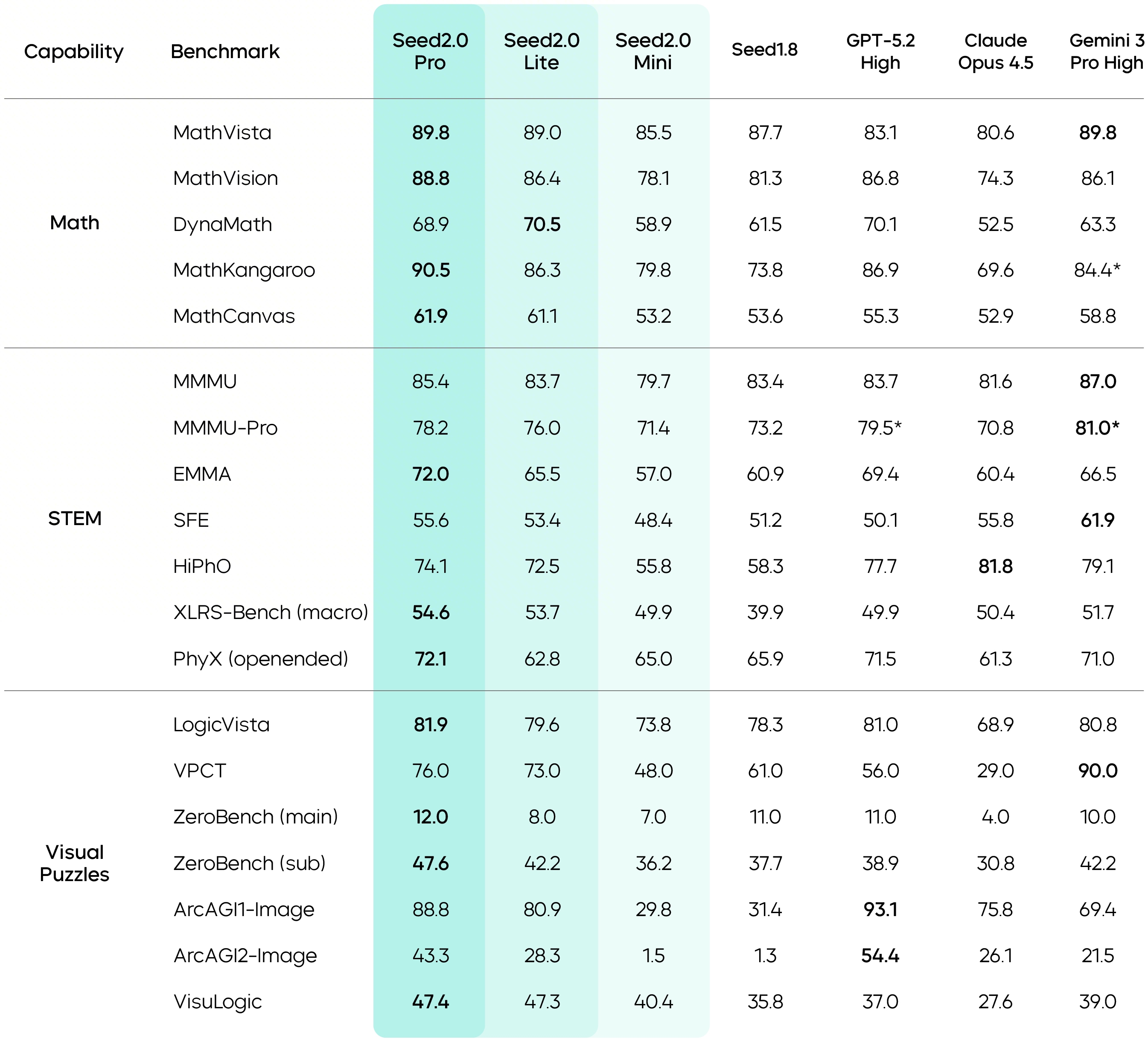
According to ByteDance, Seed 2.0 currently ranks 6th globally on the LMSYS Chatbot Arena (Overall) and 3rd on the Vision Arena, signaling its competitiveness against top-tier models from OpenAI and Google.
The Copyright Controversy: "Seedance 2.0" and Hollywood's Backlash
The launch comes amidst intense scrutiny over ByteDance's video generation tool, Seedance 2.0 (distinct from the general-purpose Seed model). Major entertainment giants—including Disney, Netflix, Sony, and Paramount—have issued cease-and-desist letters and strong public warnings, alleging the tool facilitates "massive scale" copyright infringement.
The Motion Picture Association (MPA), led by CEO Charles Rivkin, condemned the tool for allowing users to generate videos featuring copyrighted characters like Mickey Mouse, Spider-Man, and others without authorization. "By launching a service that operates without meaningful safeguards... ByteDance is disregarding well-established copyright law," Rivkin stated.
ByteDance's Response: Safegaurds Incoming
In response to the backlash, a ByteDance spokesperson confirmed to CNBC that the company is taking immediate action:
"ByteDance respects intellectual property rights and we have heard the concerns regarding Seedance 2.0. We are taking steps to strengthen current safeguards as we work to prevent the unauthorized use of intellectual property and likeness by users."
This development highlights the growing friction between AI innovation and intellectual property rights, a theme that is becoming central to the AI regulatory landscape in 2026. While Disney has taken a hard line against unauthorized use, it notably has a licensing agreement with OpenAI for its Sora video generator, suggesting a future where authorized, paid partnerships become the standard.
Sources: ByteDance Seed Team, CNBC