AI vs. Melanoma: How Artificial Intelligence is Bridging the "Dermatology Desert"
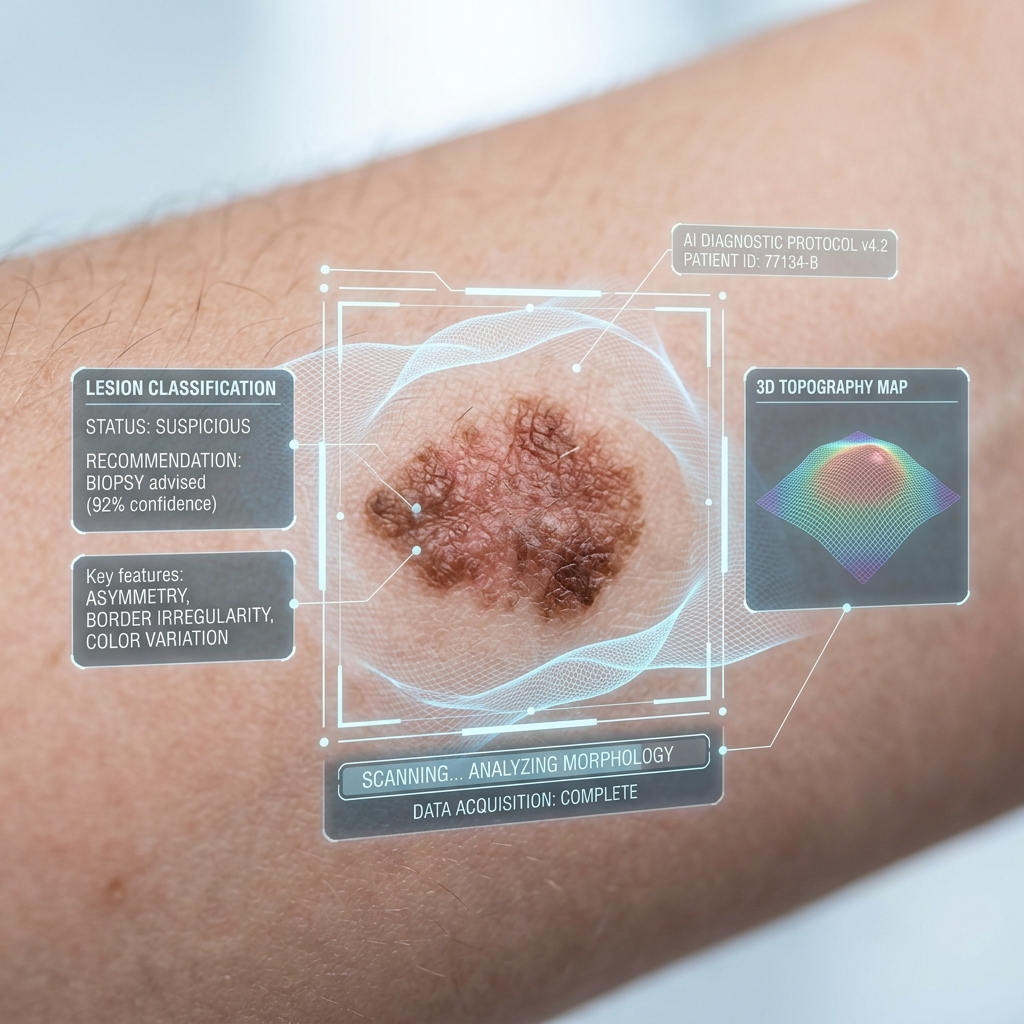
For thousands, a suspicious mole marks the start of a life-or-death race against time. In many parts of the world, reaching a specialist can require months of waiting. However, artificial intelligence is rapidly changing the math for melanoma patients.
Phoenix, AZ — Stephanie Kauffman, president and COO of the Melanoma Research Alliance (MRA), warns that delays can be fatal. "Melanoma is a very, very fast-moving cancer," Kauffman explained. "If you’re waiting five to six months for that skin check, that can move you from a stage zero diagnosis to stage three very quickly."
The Survival Gap
Early detection is the single most important factor in patient outcomes. While the disease is highly treatable if caught early, the window for success is narrow.
| Detection Stage | 5-Year Survival Rate |
|---|---|
| Early Detection (Stage 0/1) | 99% |
| Advanced Stage (Late Detection) | 36% |
Closing the Access Gap
AI is beginning to bridge the gap in "dermatology deserts" through advanced image recognition. Primary care physicians can now take high-resolution photos and send them to AI-augmented pathology labs for immediate triaging. This allows for rapid identification of suspicious lesions and fast-tracking biopsies.
The Problem of Data Bias
One of the most significant hurdles in deploying AI for skin cancer is the "bias problem." Historically, the vast majority of AI training data has been collected from fair-skinned patients. This creates a dangerous blind spot for patients with darker complexions.
"We want the AI to be able to look at someone who may have a darker skin color [and] be able to differentiate that mole from a darker complexion," Kauffman said. The MRA is currently investing in open data sets that include the full spectrum of human skin tones.
Beyond simple detection, AI is revolutionizing research speed. What used to take scientists days of manual analysis now takes seconds, allowing for better clinical trial matching and personalized immunotherapy—treatments that use the body’s own immune system to fight the cancer.
The MENA Verdict
AI’s ability to bridge the "dermatology desert" is a massive win for the MENA region, where specialist access can be uneven outside major healthcare hubs like Dubai Healthcare City or Riyadh’s medical centers.
However, the "bias problem" is particularly relevant here; the Middle East encompasses a wide spectrum of skin tones. The call for diverse datasets is one that regional medical authorities must lead, ensuring that medical AI is as effective for regional phenotypes as it is for global ones. By turning a five-month wait into a five-second analysis, AI is transforming diagnosis from a potential death sentence into a manageable, highly survivable condition.