The Great AI Divide: Stanford Report Reveals Growing Friction Between Insiders and the Public
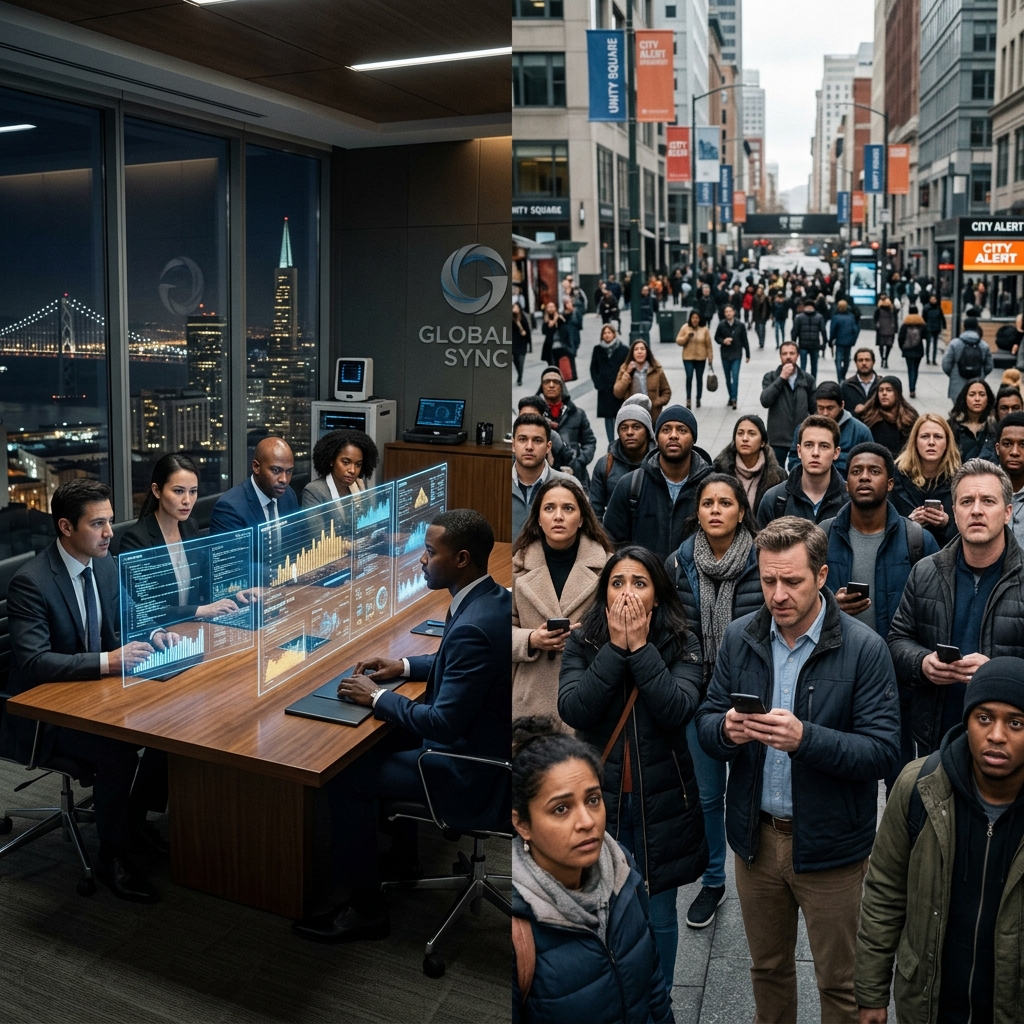
A profound disconnect is forming at the heart of the technology revolution. While Silicon Valley insiders remain bullish on AGI, the public is increasingly viewing AI with a mix of anxiety and skepticism.
According to the latest Stanford University annual report on the AI industry, the divergence between expert opinion and public sentiment has reached a critical tipping point. This is a vital trend for ai news watchers in the Gulf, as regional governments rapidly ramp up AI infrastructure spend.
Optimism vs. Anxiety: A Statistical Split
The report highlights a jarring contrast in how different groups envision the next 20 years of AI integration. While experts see a golden age of efficiency, the public fears a loss of livelihood.
| Category | Expert "Positive Impact" % | Public "Positive Impact" % |
|---|---|---|
| Medical Care | 84% | 44% |
| Workplace/Jobs | 73% | 23% |
| The Economy | 69% | 21% |
Furthermore, a study cited in the report found that 64% of Americans believe AI will lead to fewer jobs. In the ai startups dubai/gcc ecosystem, this anxiety is often tempered by high investment, but the global trend remains one of caution.
The "Paycheck vs. Superintelligence" Problem
The report suggests that AI leaders may be misreading the room. While developers focus on managing the existential risks of "Superintelligence," everyday people are preoccupied with immediate, tangible threats:
- Economic Strain: Concerns over job displacement and stagnant wages.
- Infrastructure Costs: Rising power bills as energy-hungry data centers strain local grids.
- Gen Z Backlash: Despite being frequent users, Gen Z is reportedly the most "angry" demographic regarding AI.
A Global Crisis of Trust
The disconnect is also manifesting as a regulatory trust gap. Confidence in government AI regulation remains low in the West, while staying high in tech centers like Singapore. This gap is a key point of discussion for mena ai news as regulation begins to take shape in the Gulf.
Is There a Silver Lining?
Despite the growing nervousness—which rose to 52% globally—there is a slight uptick in those who see the utility of the technology. 59% of respondents now feel AI products offer more benefits than drawbacks, up from 55% in 2024. As gulf ai news reports continue to showcase advancements, the industry faces a choice: address the grounded fears of the public or risk a widening social chasm.