Ohio man becomes first to be convicted under new AI statute for sexually explicit images
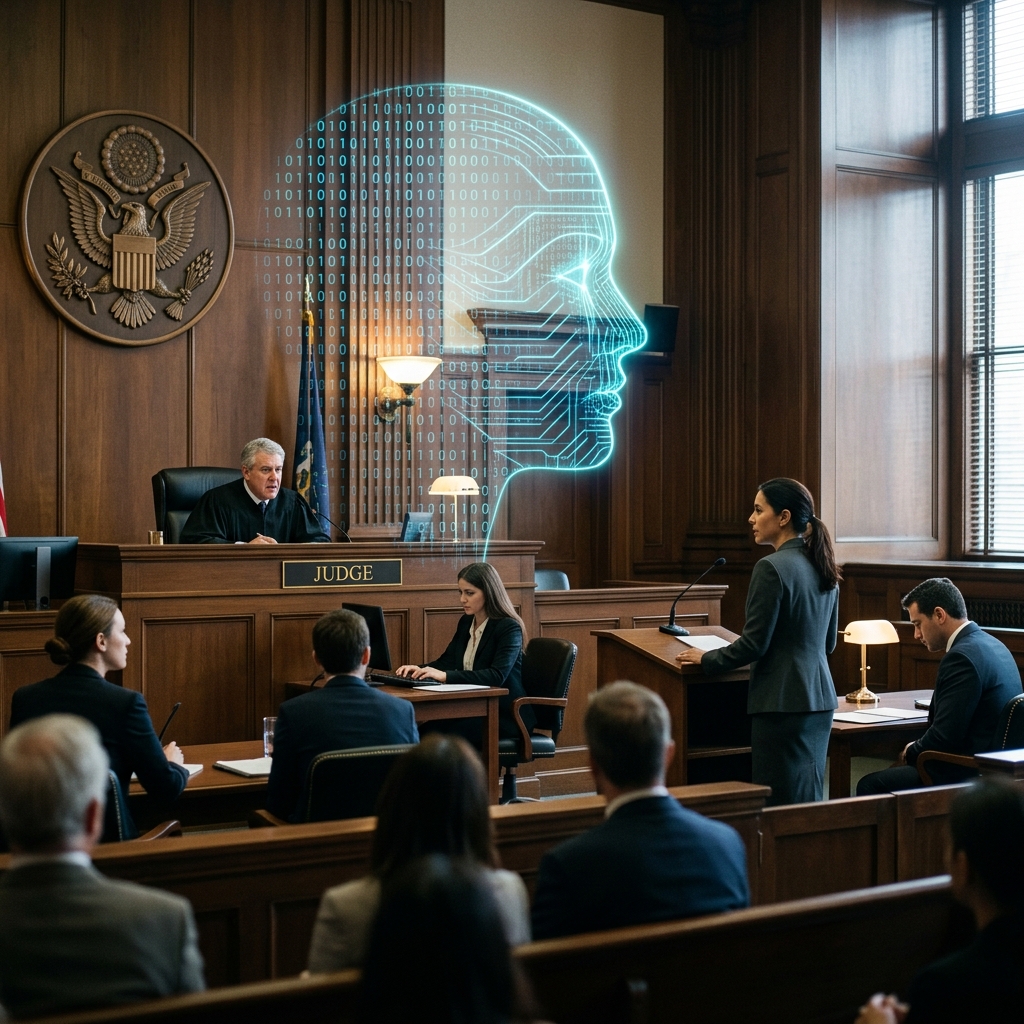
The federal conviction of James Strahler II in Ohio marks a pivotal shift in the American legal landscape regarding generative artificial intelligence (GenAI). As the first successful prosecution under the Take It Down Act, this case establishes a concrete legal precedent for the "publication of digital forgeries."
Executive Summary
For B2B stakeholders in legal tech, cybersecurity, and platform moderation, this development signals a transition from theoretical AI ethics to rigorous federal enforcement.
Case Overview: United States v. Strahler
On Tuesday, James Strahler II, 37, pleaded guilty to multiple federal charges in the Southern District of Ohio. While the charges included cyberstalking and the production of obscene material, the landmark component of the plea is the publication of digital forgeries, a direct violation of the recently enacted federal AI statute.
Key Offenses Documented:
- Non-Consensual Deepfakes: Utilization of AI to create sexually explicit imagery of at least six adult women, subsequently distributed to their professional networks.
- AI-Enhanced Extortion: Threatening to circulate synthetic media to coerce victims’ family members.
- Synthetic CSAM: The creation of over 700 images using AI to graft the faces of minors from the local community onto obscene content.
Regulatory Context: The Take It Down Act
Signed into law in May 2025, the Take It Down Act was designed to address the "legal vacuum" created by rapid advancements in deepfake technology.
Core Provisions for Industry Stakeholders:
- The "Knowledge" Standard: Liability is established if an individual "knowingly" publishes or threatens to publish intimate images, including those synthetically generated via AI, without consent.
- Platform Accountability (The 48-Hour Rule): For B2B service providers and social media platforms, the Act mandates the removal of violating content within 48 hours of a verified victim request.
- Scope of "Intimate Visual Depictions": The law explicitly bridges the gap between real photography and "digital forgeries," treating them with equal gravity under federal sentencing guidelines.
Implications for the B2B Sector
1. Cybersecurity and Threat Intelligence
The Strahler case illustrates a sophisticated evolution of social engineering. Enterprises must now account for "AI-generated extortion" within their internal security training. The distribution of deepfakes to a victim’s co-workers highlights a specific vulnerability in corporate communications and reputation management.
2. Compliance and Moderation (Trust & Safety)
For companies operating content-hosting platforms, the 48-hour mandate is no longer a best practice—it is a statutory requirement. This necessitates:
- Automated Detection: Investment in hash-matching and AI-detection tools to identify synthetic content.
- Escalated Reporting Channels: Clearer pathways for "Take It Down" requests to satisfy federal timelines.
3. Legal and Liability Risk
General Counsel should note the Department of Justice’s stated commitment to "using every tool at our disposal." The successful prosecution of Strahler demonstrates that the DOJ is actively seeking to test new AI statutes, signaling an end to the "Wild West" era of synthetic media.
Statistical Impact and Evidence
The volume of content produced by a single individual—over 700 images—underscores the scalability of AI-enabled harassment.
| Charge Category | Legal Basis | Target Demographic |
|---|---|---|
| Cyberstalking | 18 U.S.C. § 2261A | Individual Adults |
| Obscene Visual Representations | 18 U.S.C. § 2252A | Minors |
| Digital Forgery Publication | Take It Down Act (2025) | Synthetic Content Victims |
Conclusion
The conviction of James Strahler II serves as a benchmark for the federal judiciary's ability to interpret AI-generated content through the lens of criminal harm. For businesses, this case serves as a catalyst to review data privacy protocols and ensure that "Synthetic Media Policy" is a core component of their 2026 compliance roadmap.
Note: As the first conviction of its kind, this case will likely be cited in future litigation involving generative AI providers and the limits of Section 230 protections in the context of federally prohibited digital forgeries. Source: The Guardian.